



Maximize Savings with Our Energy-Efficient HVAC Solutions
Take advantage of these offers and reduce your energy bills while improving the comfort of your home or business. Learn more about how we can help you tap into these savings today!
Rebates for Energy-Efficient Systems
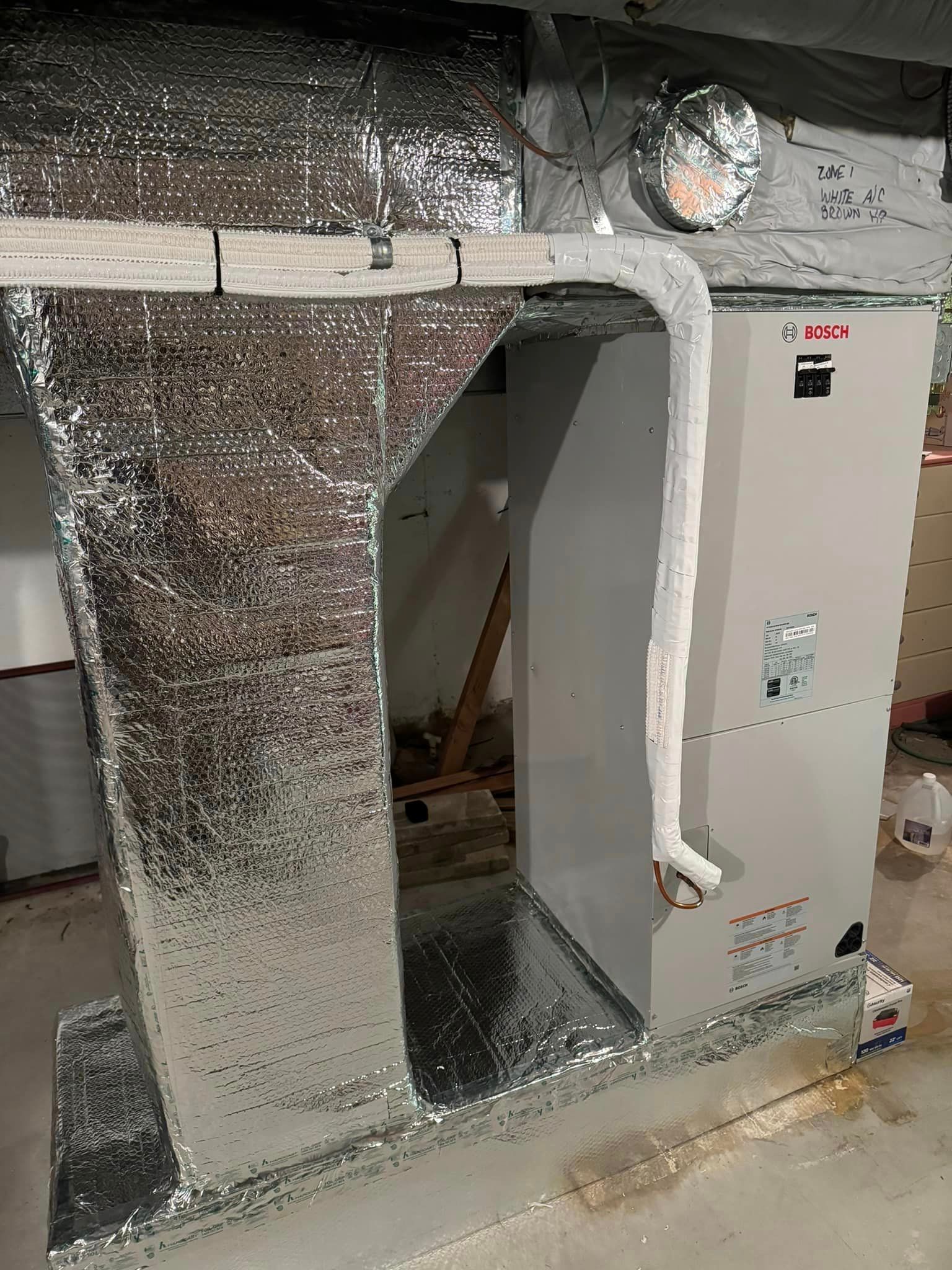
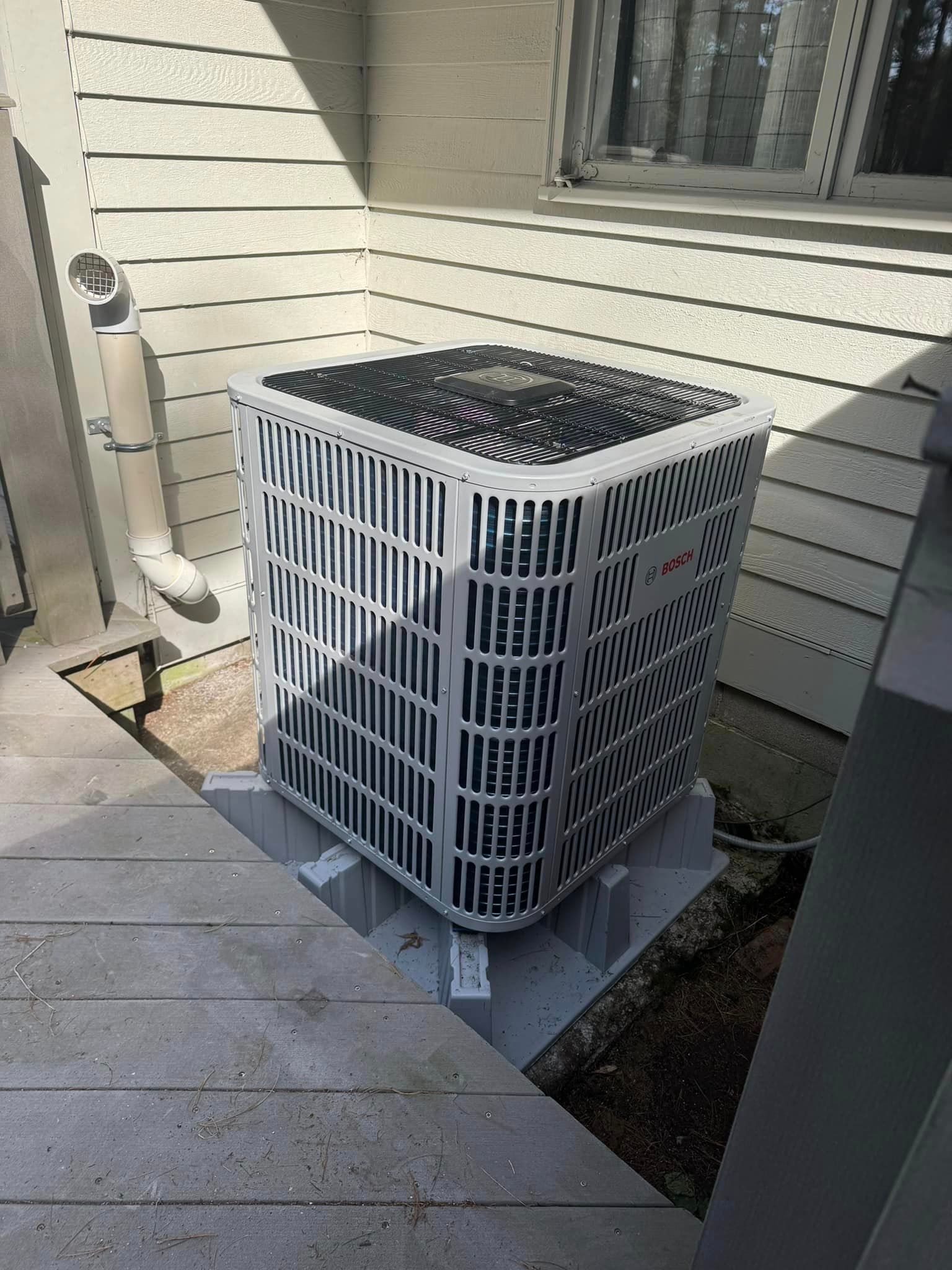
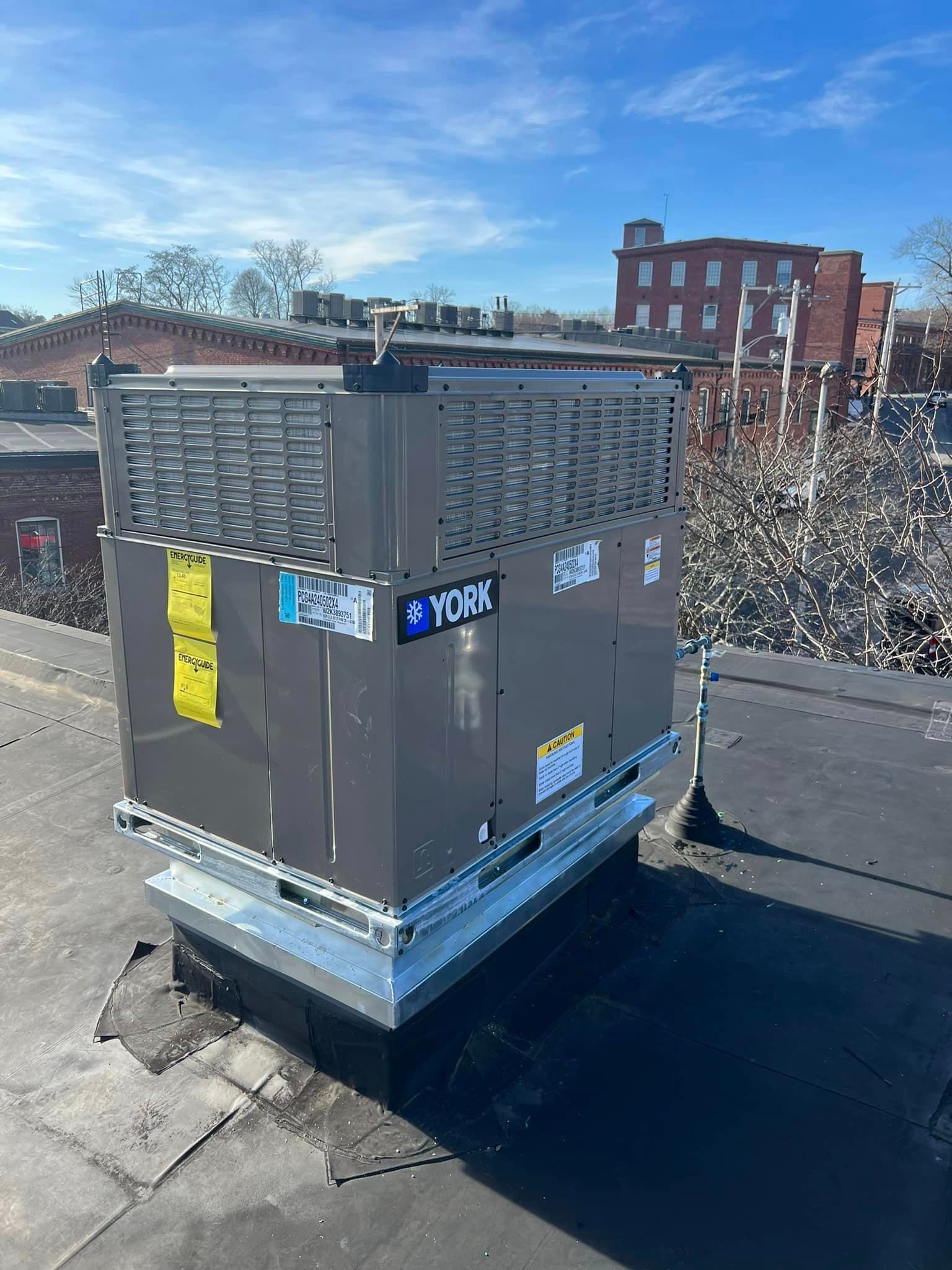
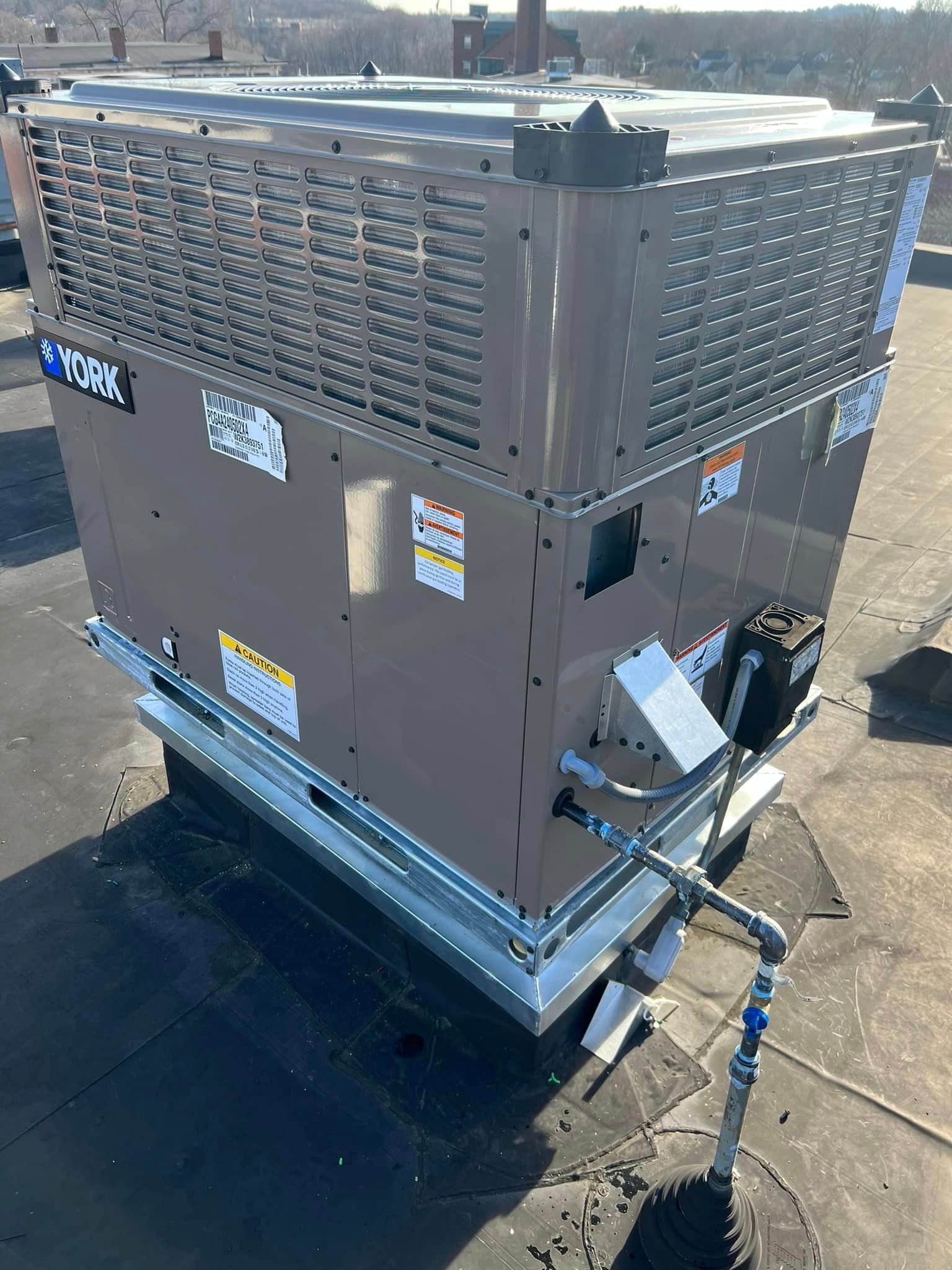
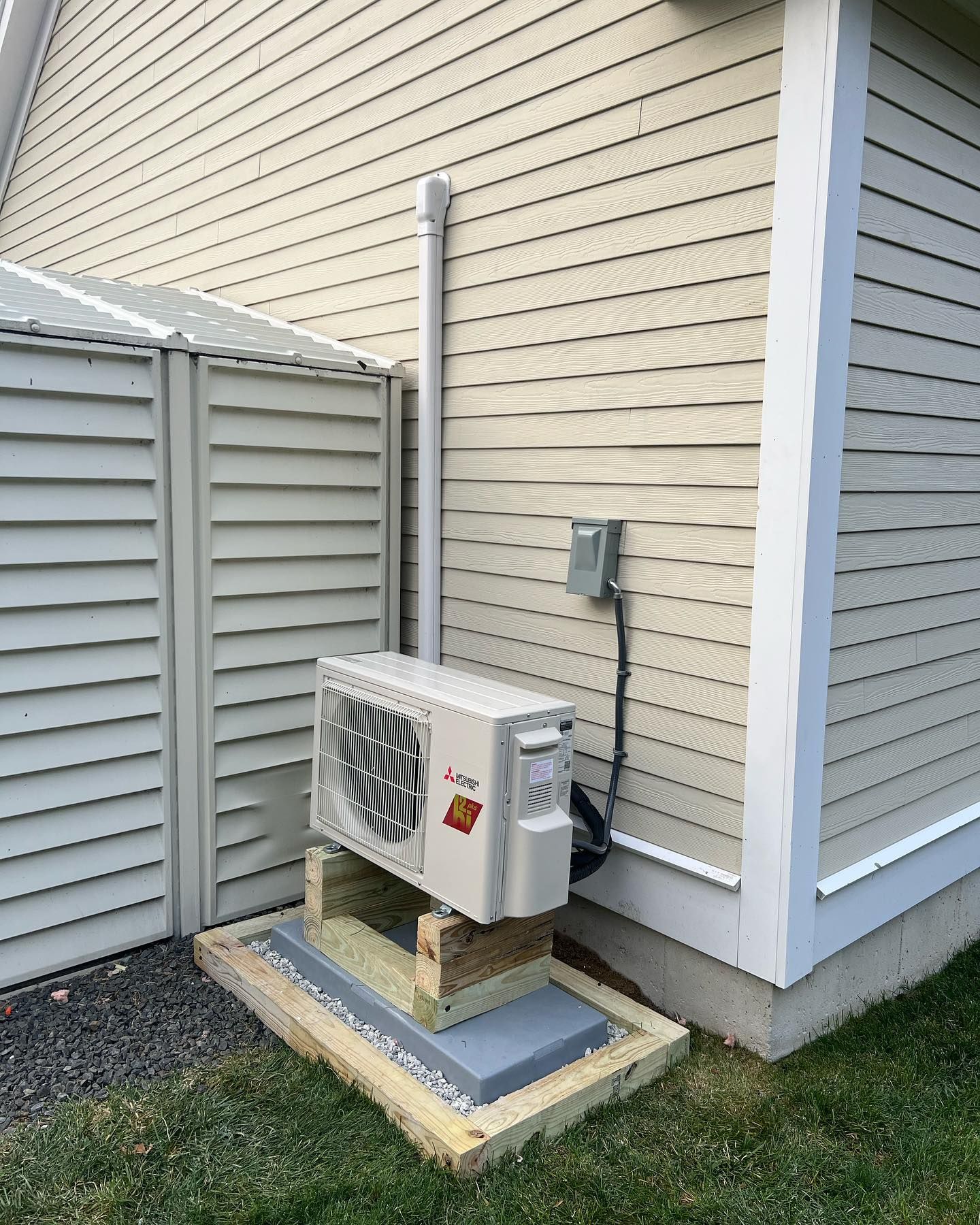
As a certified Mass Save Installer, Modern Temp Control offers exclusive access to rebates for upgrading to energy-efficient heating and cooling systems. Homeowners can qualify for up to $15,000 in rebates for whole-home heat pump systems and up to $10,000 for partial installations.
Zero-Interest HEAT Loans
To make your energy upgrades even more affordable, zero-interest HEAT Loans are available through the Mass Save program. Secure up to $50,000 in financing to cover the installation of your new, energy-efficient system without the burden of interest.
Maximize Your Savings Today
Now is the perfect time to reduce your energy costs and improve comfort. Contact Modern Temp Control to learn how you can take full advantage of Mass Save rebates and HEAT Loans for your home or business.
FAQ
What does HVAC stand for?
HVAC stands for Heating, Ventilation, and Air Conditioning, which are the systems used to regulate indoor temperature, airflow, and air quality.
What is the average lifespan of an HVAC system?
The average lifespan of an HVAC system is 10-15 years, depending on the type, brand, and maintenance frequency.
How often should HVAC systems be serviced?
HVAC systems should be serviced at least twice a year, ideally before the heating and cooling seasons.
What are the signs that my HVAC system needs repair?
Common signs include unusual noises, weak airflow, inconsistent temperatures, and higher energy bills.
Can I perform any maintenance tasks on my HVAC system myself?
Yes, tasks such as regularly changing air filters, cleaning vents, and checking the thermostat settings can be done by homeowners.
What is the process for scheduling a service appointment?
You can schedule a service appointment by calling us directly or using our online booking system.
Do you offer emergency repair services?
Yes, we provide 24/7 emergency repair services for urgent HVAC issues.
What are the most common issues with HVAC systems?
Common issues include clogged filters, refrigerant leaks, electrical failures, and dirty coils.
How can I improve the efficiency of my HVAC system?
Improving efficiency can involve regular maintenance, sealing duct leaks, installing a programmable thermostat, and upgrading insulation.
What brands of HVAC equipment do you service?
We service a wide range of brands, including Carrier, Trane, Lennox, Goodman, and more.
Do you offer warranties on your services and parts?
Yes, we offer warranties on both our labor and the parts we use.
What are the benefits of regular HVAC maintenance?
Benefits include improved efficiency, lower energy bills, extended system lifespan, and better indoor air quality.
How do I know if I need a new HVAC system?
Signs include frequent repairs, inconsistent temperatures, and the system being over 15 years old.
Can you help with improving indoor air quality?
Yes, we offer solutions such as air purifiers, humidifiers, and UV lights to improve indoor air quality.
What is a SEER rating, and why does it matter?
SEER stands for Seasonal Energy Efficiency Ratio, indicating how efficiently an air conditioner operates. Higher SEER ratings mean lower energy costs.
Are there any government rebates or incentives for HVAC upgrades?
Yes, there are often local and federal incentives for energy-efficient HVAC systems. Contact us for details.
How much does a new HVAC system cost?
The cost varies based on the type of system, home size, and installation complexity. Contact us for a free estimate.
Do you offer financing options for new installations?
Yes, we offer flexible financing options to make HVAC upgrades affordable.
What is the difference between a heat pump and a traditional furnace?
A heat pump transfers heat, while a furnace generates heat by burning fuel. Heat pumps are more energy-efficient in mild climates.
How long does it typically take to install a new HVAC system?
Most installations take 1-2 days, depending on the complexity of the system.
Can I get an estimate for repair or installation services?
Yes, we offer free estimates for all repair and installation services.
What energy-efficient HVAC options do you offer?
We offer high-SEER air conditioners, variable-speed furnaces, and Energy Star-certified systems.
How do I choose the right size HVAC system for my home?
We perform load calculations to ensure the system matches your home’s size and insulation level.
What maintenance plans do you offer?
We offer customizable maintenance plans that include biannual inspections, priority service, and discounts on repairs.
Can you handle commercial HVAC needs?
Yes, we specialize in both residential and commercial HVAC services.
Do you provide duct cleaning services?
Yes, we offer professional duct cleaning to improve airflow and indoor air quality.
What are ductless mini-split systems?
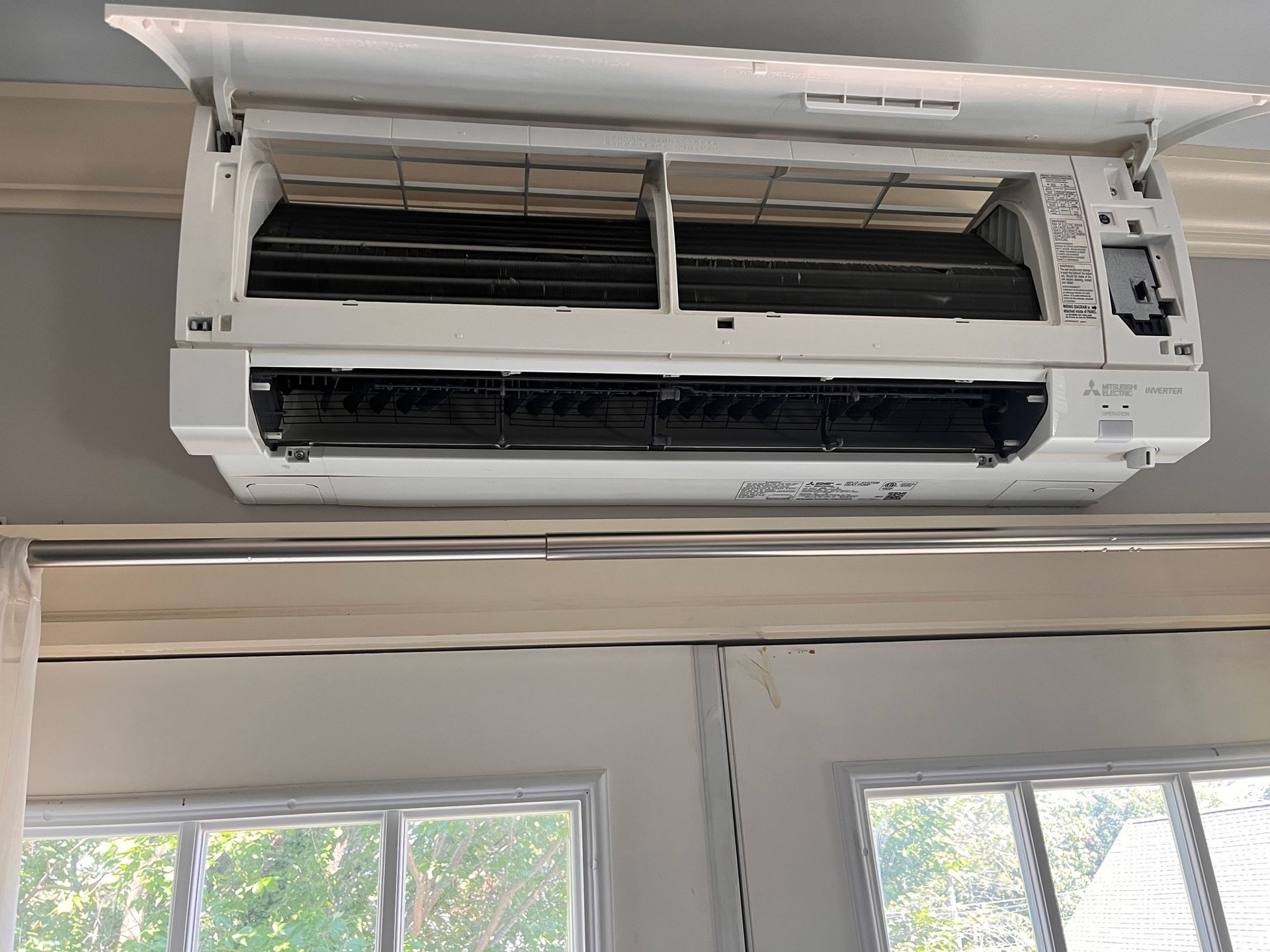
Ductless mini-splits are HVAC systems that provide heating and cooling without the need for ductwork.
How do programmable thermostats benefit HVAC systems?
Programmable thermostats help save energy by automatically adjusting temperatures based on your schedule.
What indoor air quality products do you recommend?
We recommend air purifiers, dehumidifiers, UV lights, and high-quality air filters.
Are there any signs of poor indoor air quality I should be aware of?
Signs include persistent allergies, musty odors, and visible dust buildup.
Do you offer air conditioning repair and maintenance?
Yes, we provide comprehensive repair and maintenance services for air conditioning systems.
What should I do if my HVAC system is making strange noises?
Turn off the system and contact us immediately to diagnose and fix the problem.
How often should air filters be changed?
Air filters should be changed every 1-3 months, depending on usage and the type of filter.
What is involved in an HVAC inspection?
Inspections include checking the system’s components, cleaning, testing for efficiency, and identifying potential issues.
How can I reduce my heating and cooling costs?
You can reduce costs by regularly maintaining your HVAC system, sealing air leaks, and upgrading to energy-efficient models.
What should I consider when upgrading my HVAC system?
Consider factors like energy efficiency, home size, SEER rating, and available rebates.
Do you provide services for both residential and commercial properties?
Yes, we provide comprehensive HVAC services for residential and commercial clients.
What is the best way to maintain my HVAC system during off-seasons?
Clean the system, replace filters, and schedule routine maintenance during off-seasons.
Are smart thermostats compatible with all HVAC systems?
Most smart thermostats are compatible, but some older systems may require an upgrade.
Can you repair older HVAC models?
Yes, we service and repair older HVAC systems whenever parts are available.
What safety precautions do you take while servicing?
We adhere to all safety protocols, including using protective equipment and ensuring proper system shutdown.
How do I prepare my home for an HVAC service visit?
Clear the area around the system and provide access to all components for our technicians.
What are the environmental impacts of HVAC systems?
Older systems can emit greenhouse gases. Upgrading to energy-efficient models can reduce your carbon footprint.
Can you provide custom HVAC solutions for unique spaces?
Yes, we design and install custom HVAC systems tailored to your space and needs.
What is the difference between central air conditioning and window units?
Central air cools the entire home, while window units are designed for single rooms.
What factors affect the indoor temperature besides the HVAC system?
Factors include insulation, window quality, and external weather conditions.
Can I control my HVAC system remotely?
Yes, with smart thermostats, you can control your system from a smartphone or computer.
What is an HVAC zoning system?
A zoning system divides your home into zones, allowing you to control the temperature in each area independently.
How do UV lights in HVAC systems improve air quality?
UV lights kill bacteria, viruses, and mold in the air, improving overall air quality.
What should I know about changing refrigerants in older systems?
Older systems using R-22 refrigerant may need to be upgraded to comply with environmental regulations.
How does humidity affect HVAC performance?
High humidity makes cooling harder, while low humidity can cause dry air issues.
What are the benefits of having a variable-speed furnace?
Variable-speed furnaces offer better temperature control, energy savings, and quieter operation.
Can HVAC systems help with seasonal allergies?
Yes, with proper filters and air purifiers, HVAC systems can reduce allergens.
What types of filters are best for my HVAC system?
HEPA filters are the best for capturing small particles and allergens, but consult your system’s manual for compatibility.
How do I know if my ductwork needs repair or replacement?
Signs include uneven heating or cooling, excessive dust, and visible damage.
What is a heat exchanger, and why is it important?
The heat exchanger transfers heat to the air in your home. A damaged exchanger can pose safety risks.
Do you offer green or eco-friendly HVAC solutions?
Yes, we offer energy-efficient systems and eco-friendly refrigerants.
How does a multi-stage HVAC system differ from a single-stage?
Multi-stage systems adjust their output based on demand, offering better efficiency and comfort.
Can installing a new HVAC system increase my home's value?
Yes, a new energy-efficient HVAC system can improve home value and appeal to buyers.
What are the pros and cons of portable air conditioners?
Pros: Easy to install, portable.
Cons: Less efficient and powerful than central systems.